How to Build a Wedding Photography Timeline That Works for Better Photos
A well-planned wedding photography timeline is one of the biggest factors in how relaxed, beautiful, and intentional your wedding photos feel. It’s not about cramming as much as possible into the day - it’s about creating breathing room, good light, and a flow that allows moments to unfold naturally.
As a wedding photographer, I’ve seen firsthand how the right timeline can completely change the tone of a wedding day. When couples feel unrushed and confident in the plan, it shows in every image. And for photographers, a thoughtful timeline is the foundation for doing our best creative work.
Whether you’re a couple planning your wedding or a photographer refining your process, this guide will walk you through how to build a wedding photography timeline that truly works.
In this post, you’ll learn:
Why a thoughtful wedding photography timeline makes a meaningful difference
How to structure your wedding day for calmer, more natural photos
What to consider when planning portraits, family photos, and key moments
A sample wedding photography timeline that actually works in real life
Common timeline mistakes to avoid (and how to fix them)
How photographers and couples can collaborate for a smoother, more intentional day
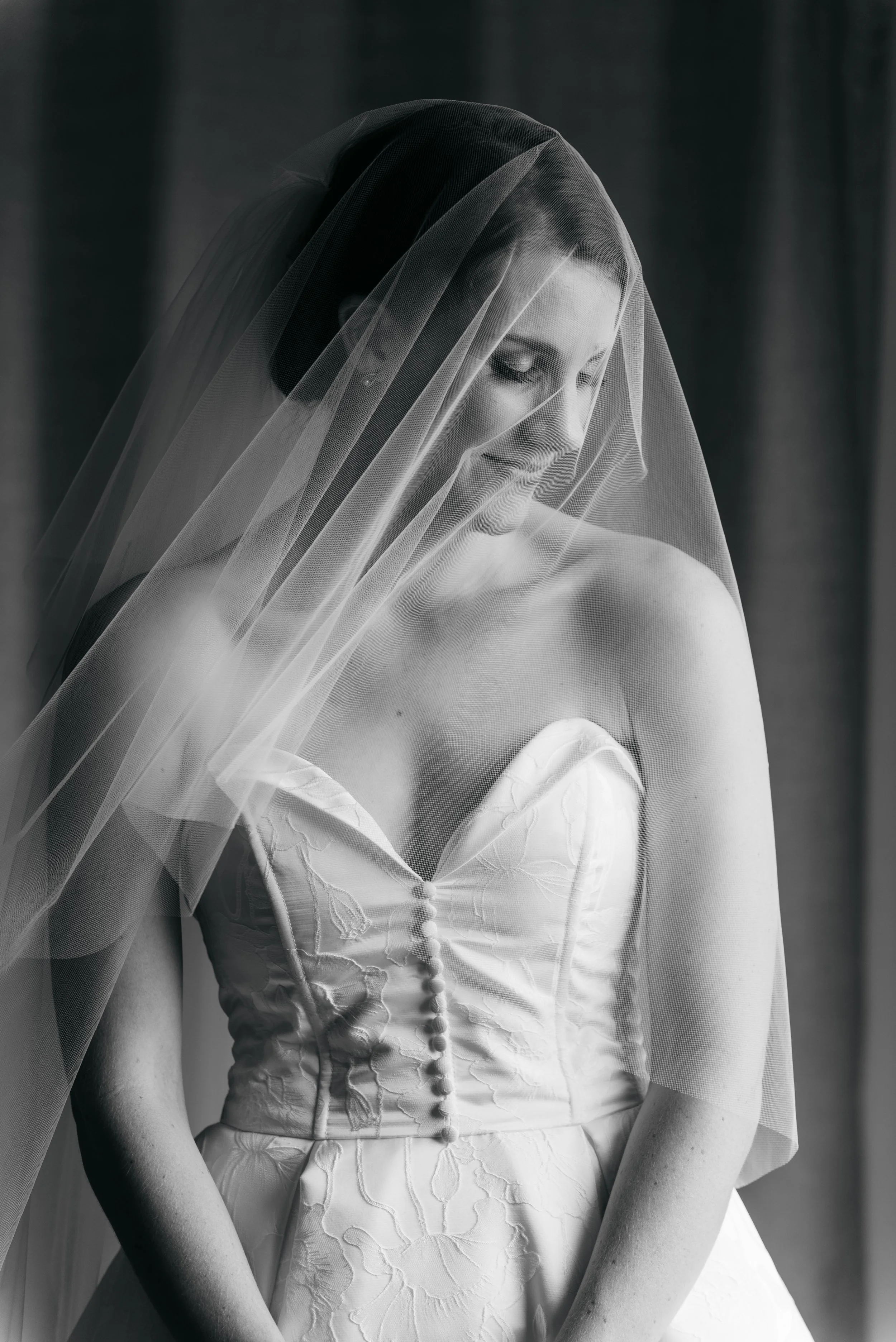
Why Your Timeline Matters More Than You Think
Your wedding day timeline doesn’t just affect logistics - it affects how the day feels. When a timeline is rushed or unrealistic, stress sneaks in. Portraits feel forced, transitions get messy, and meaningful moments can be missed.
A strong timeline:
Creates space for genuine, emotional moments
Protects the best natural light for portraits
Keeps the day feeling calm and intentional
Helps vendors work together seamlessly
Think of your timeline as the backbone of the day, and everything else builds around it.
Start With What Matters Most to You
Before you think about minutes and logistics, take a step back and identify your priorities.
Ask yourself:
Do you want a slow, relaxed morning?
Are sunset portraits important to you?
Do you want to attend cocktail hour?
Are there family moments you don’t want to rush?
For photographers, this is where listening matters most. Understanding what a couple values allows you to shape a timeline that supports those priorities instead of working against them.
Build in More Time Than You Think You Need
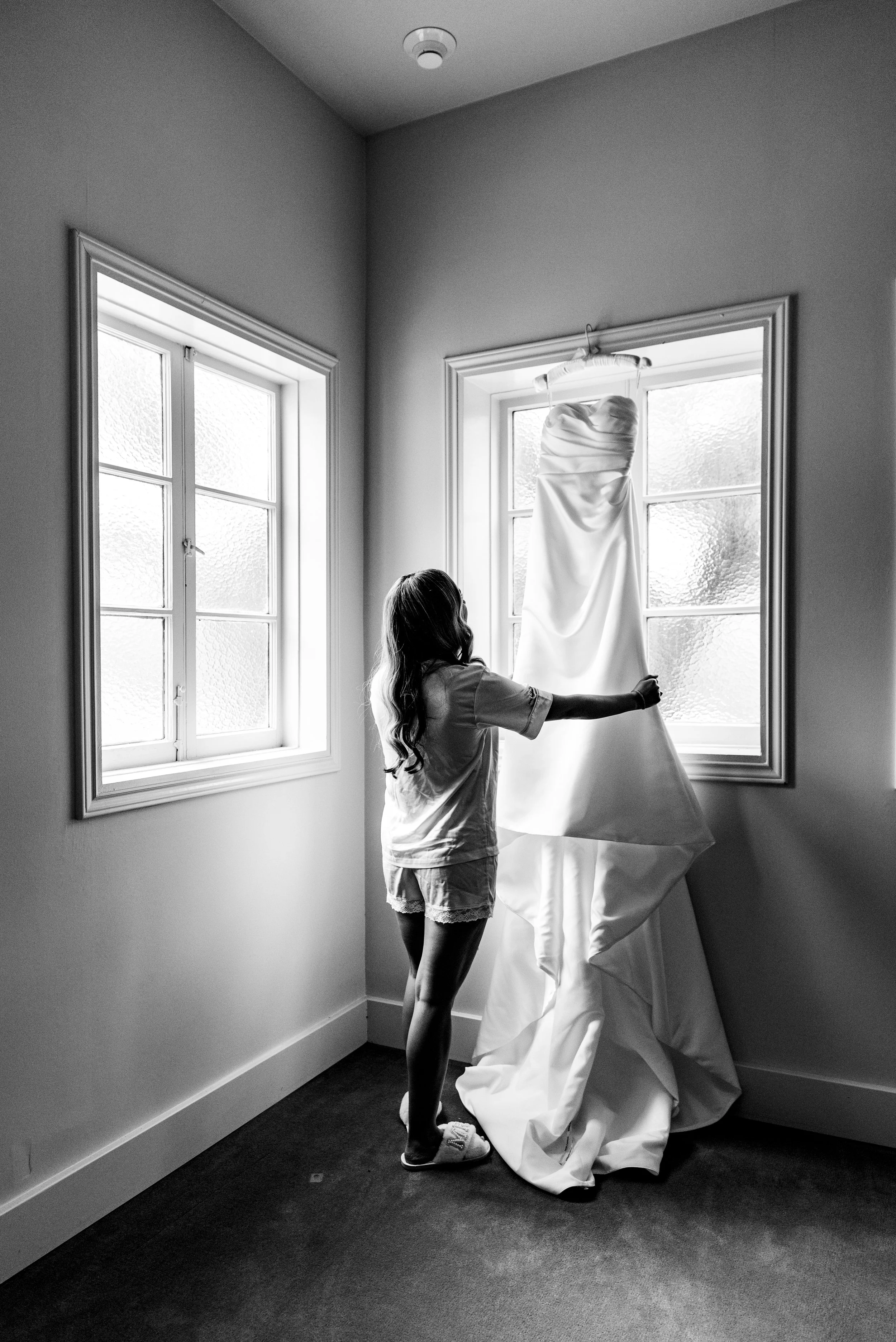
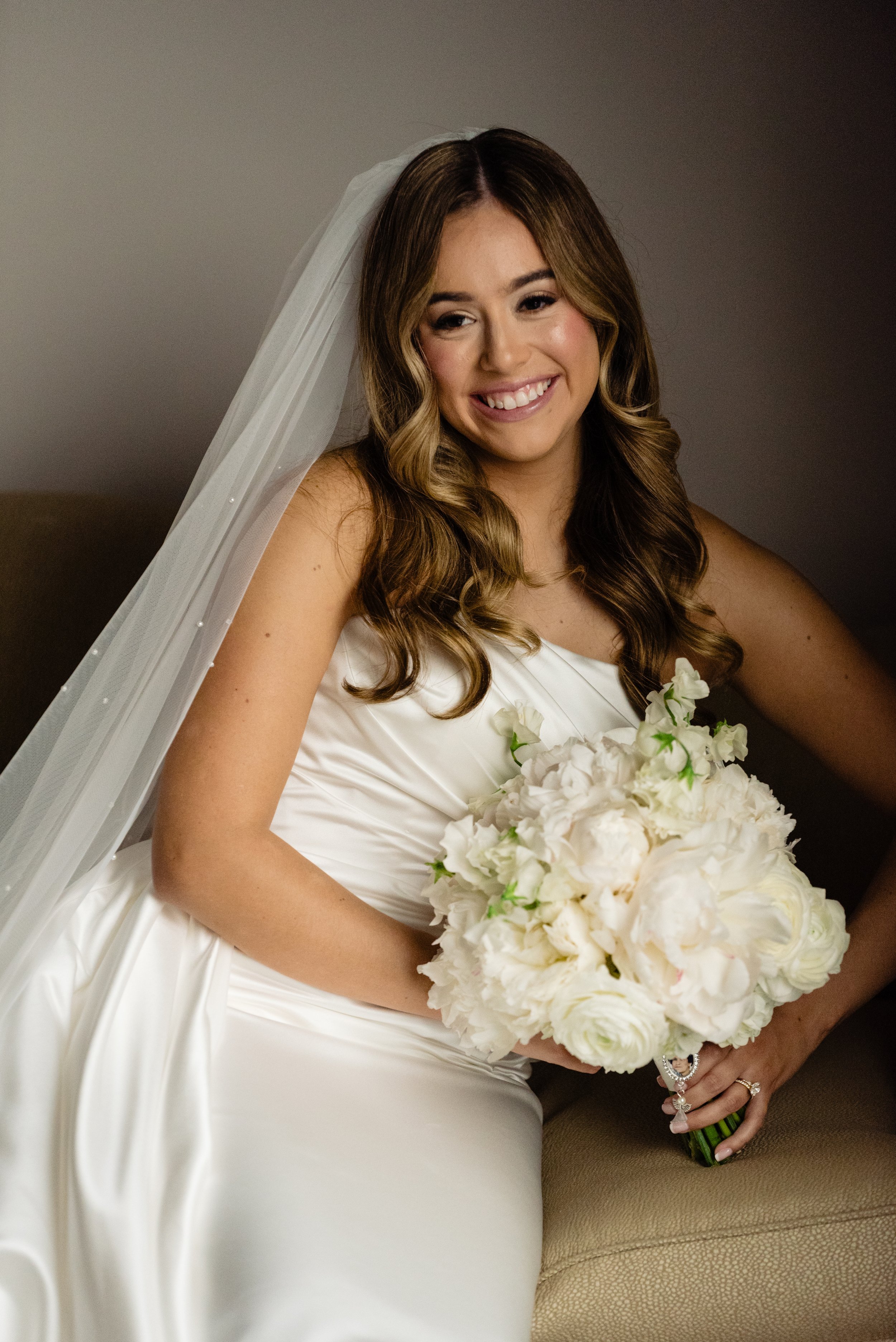
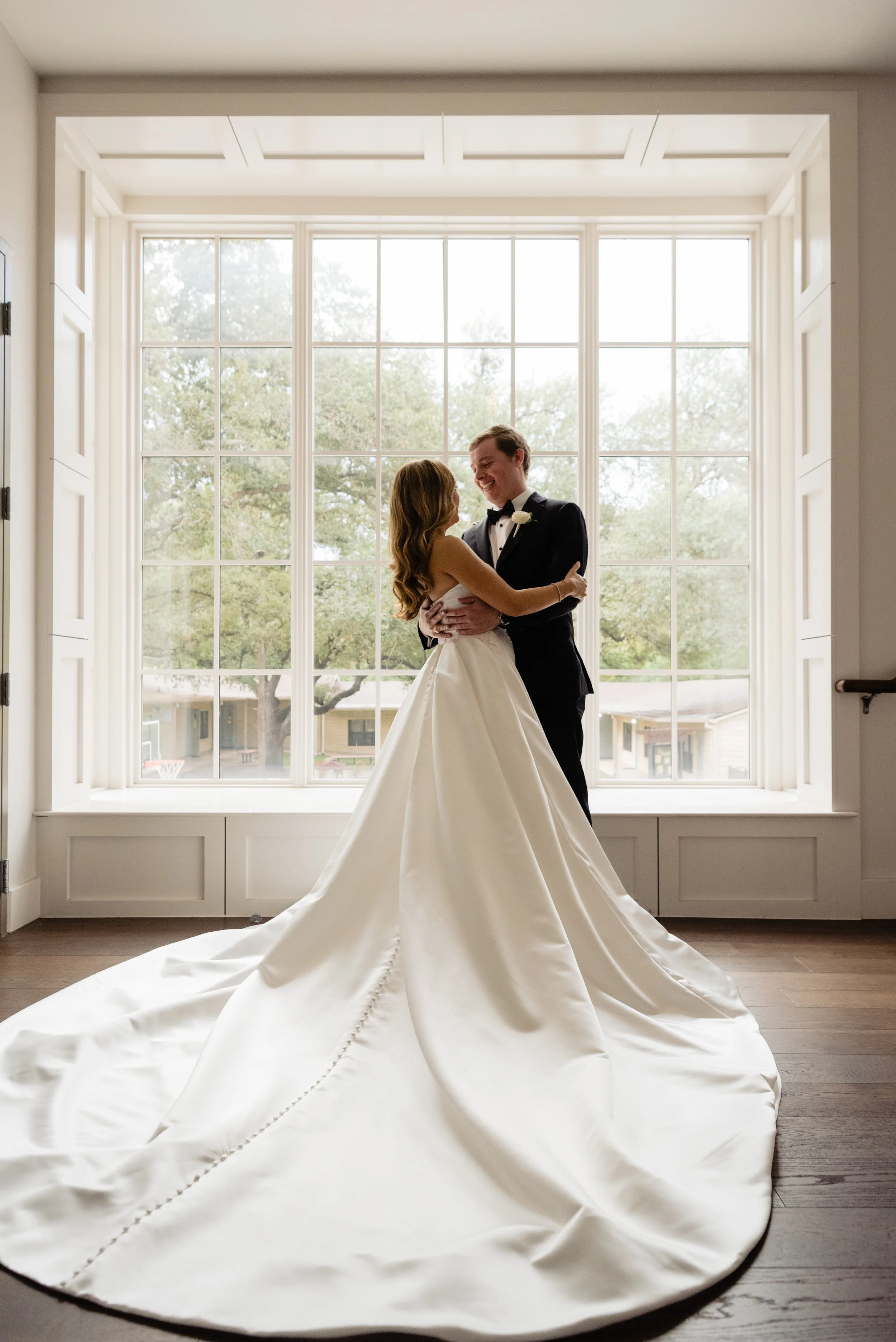
One of the most common timeline mistakes I see is underestimating how long things actually take on a wedding day. Hair and makeup often run behind, dresses take time to button and bustle, and family members tend to wander off right before portraits. None of this is unusual - it’s simply part of a real, lived-in wedding day.
This is why building in buffer time is so important. A well-planned wedding photography timeline isn’t about packing every minute with activity; it’s about creating space so the day can unfold naturally. When you allow for extra time, you’re not just protecting your photos - you’re protecting your peace of mind.
Helpful buffer tips to keep in mind:
Add 10–15 minutes to each major section of the day
Schedule portraits earlier than you think you’ll need, especially if light is a priority
Avoid stacking events back-to-back with no transition time between them
Plan for small delays so they don’t feel like big disruptions
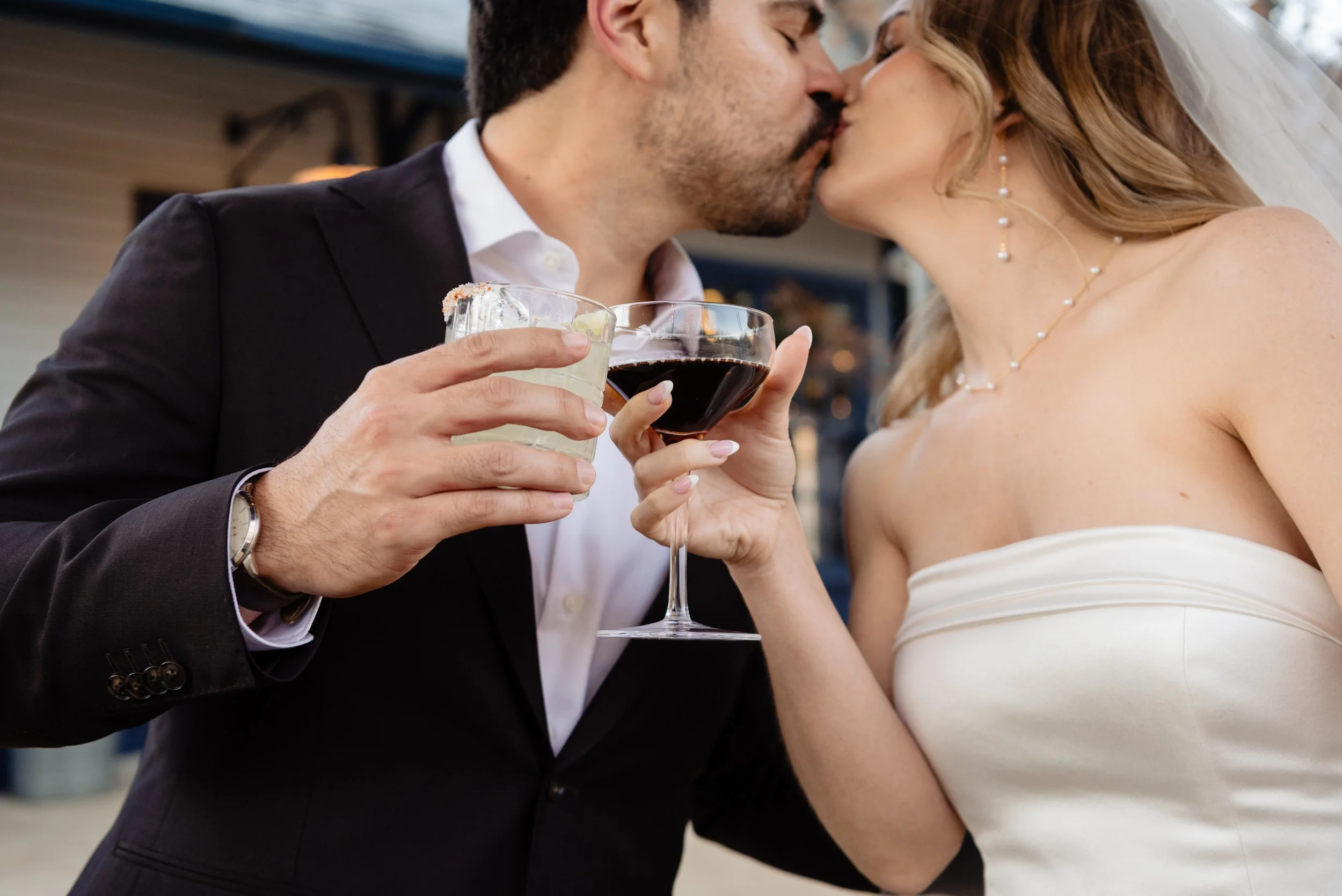
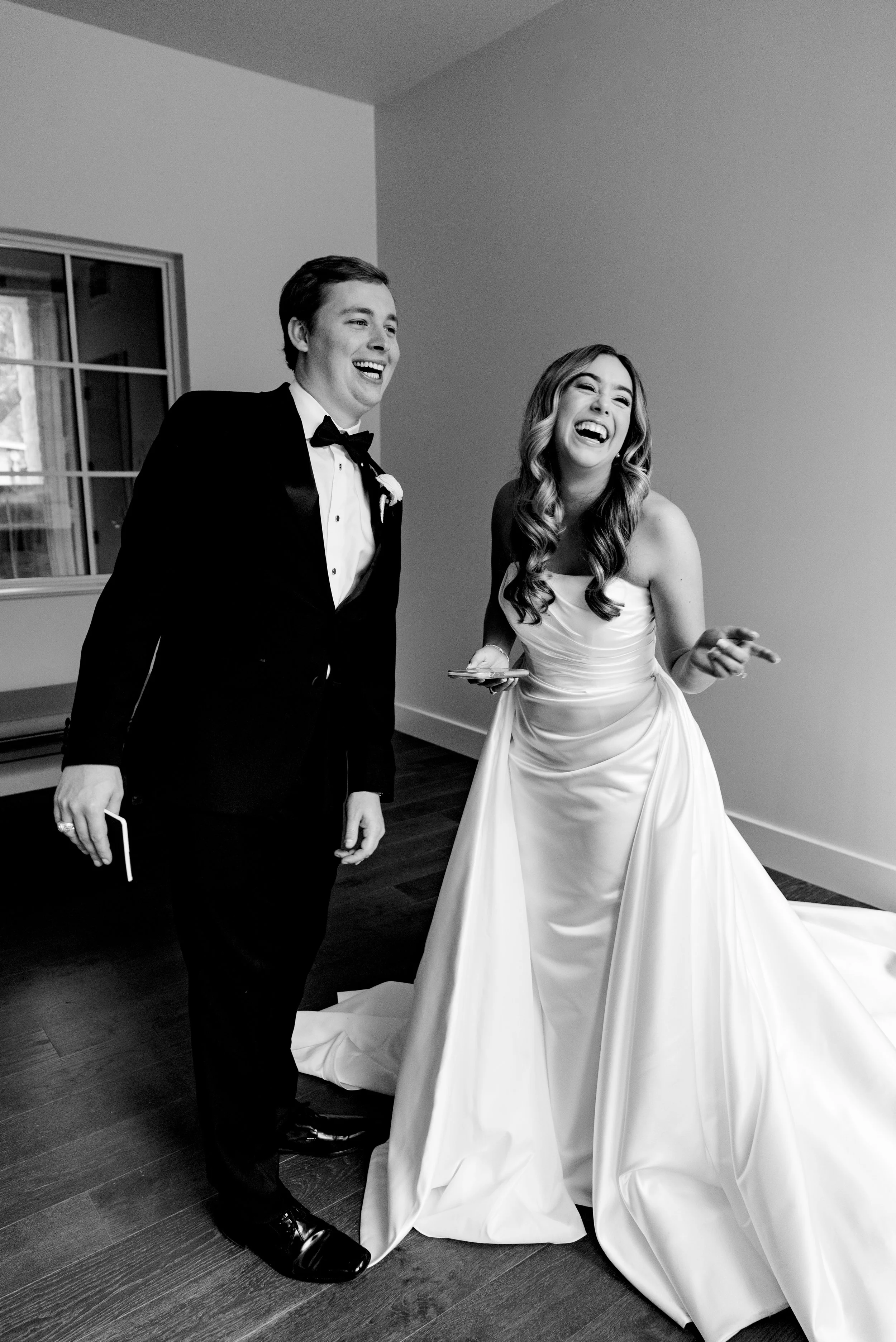
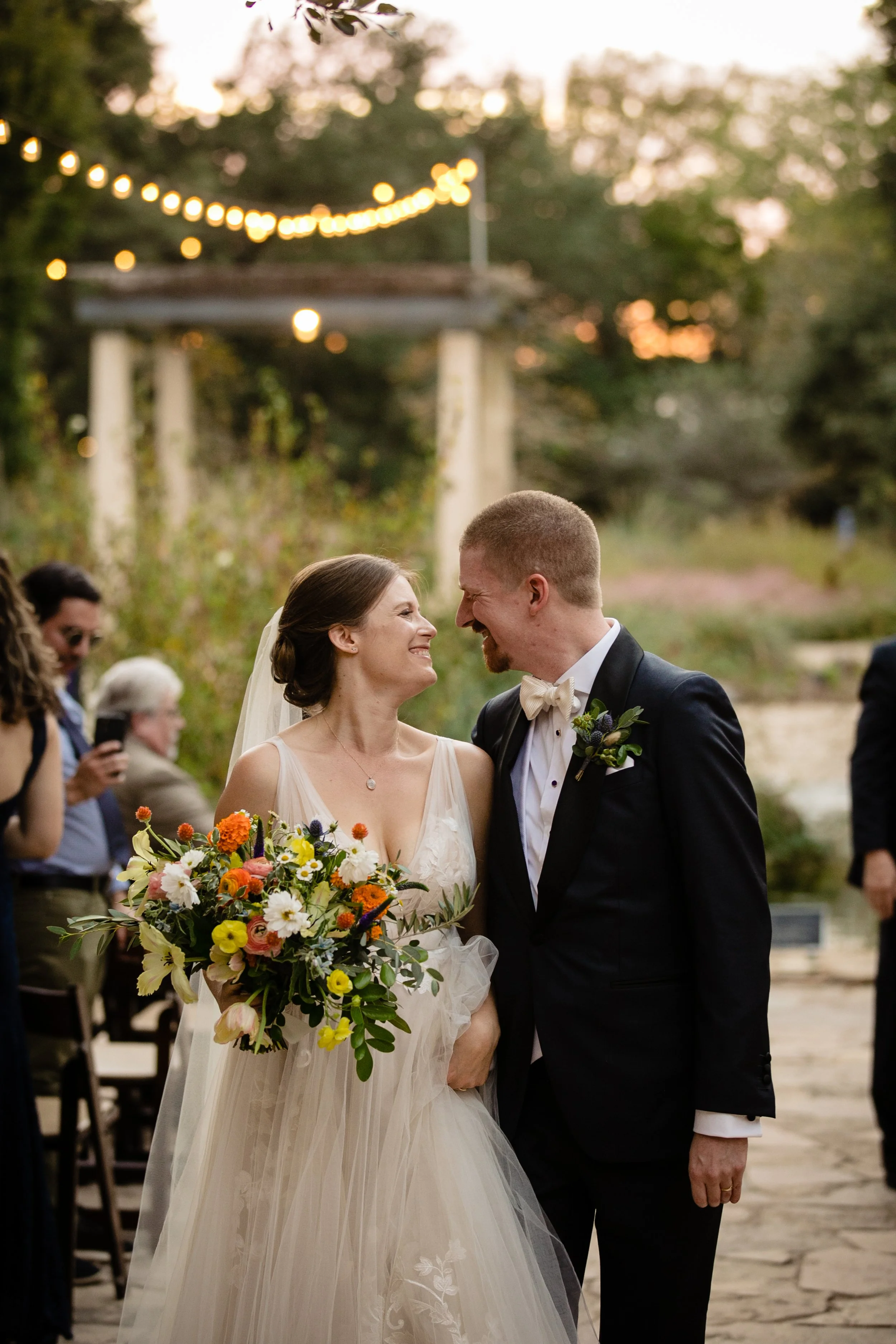
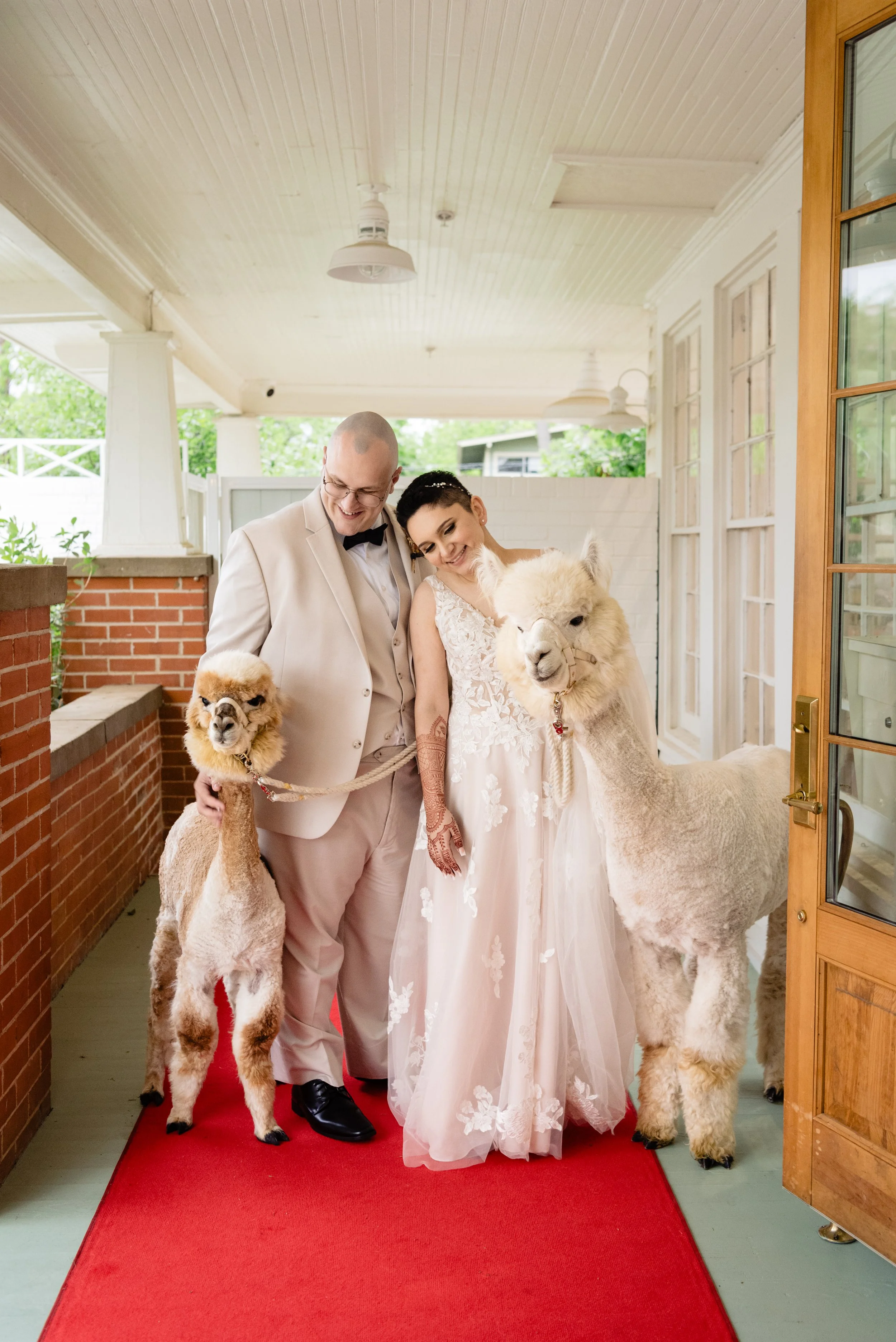
That extra space is often what allows the most meaningful, unplanned moments to happen - a quiet conversation, a deep breath, a laugh you didn’t expect. Those moments are just as important as the ones you schedule, and they’re often the ones that become favorites.
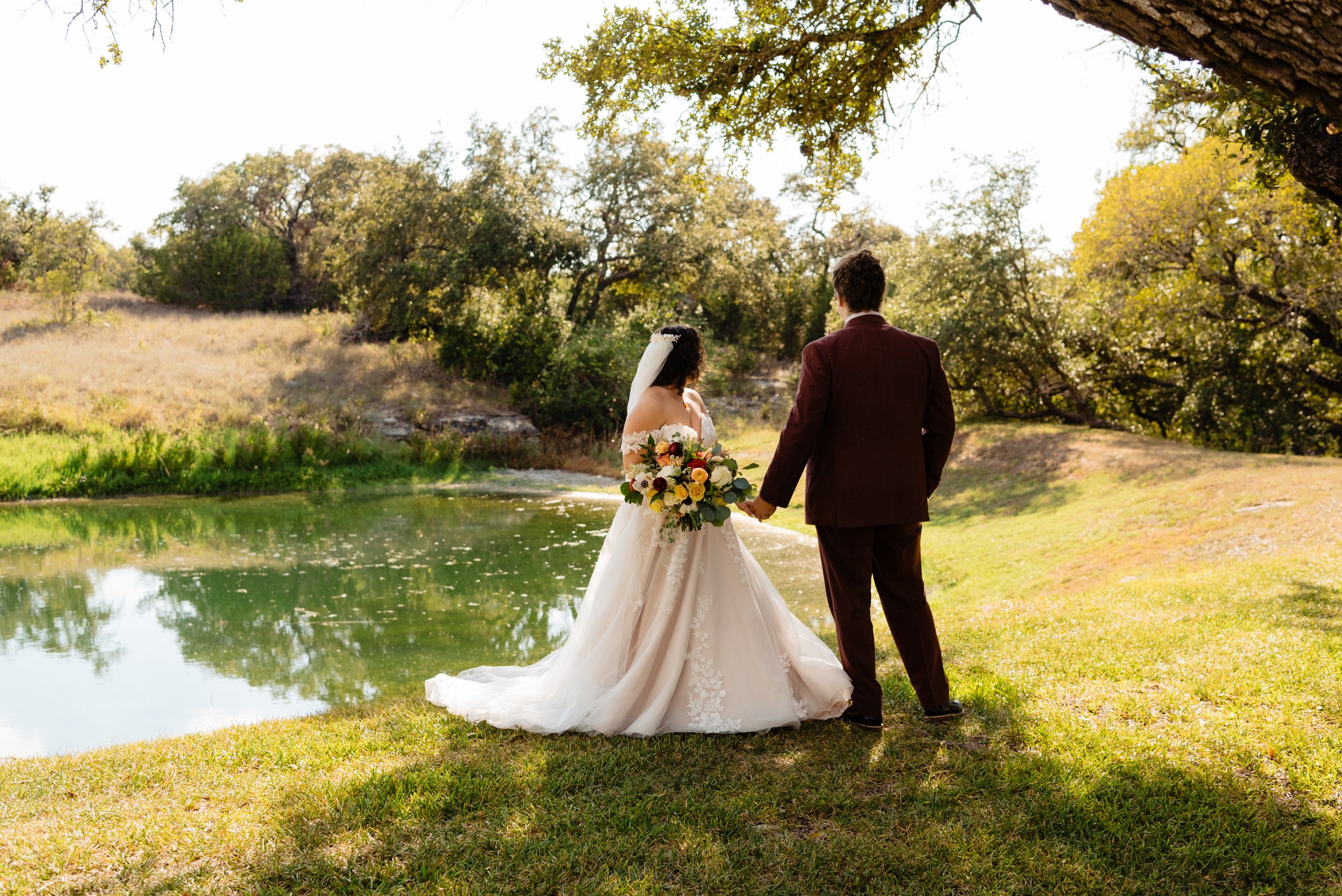
Wedding Photography Timeline: A Sample Flow That Works
Here’s a general wedding photography timeline framework that works well for most full-day weddings. This can (and should) be adjusted based on season, light, and priorities.
Getting Ready
Start with detail photos, then move into candids as everyone gets dressed. Clean, uncluttered spaces make a big difference here.
First Look or Pre-Ceremony Portraits
If you’re doing a first look, this is a great time for relaxed couple portraits and wedding party photos.
Ceremony
Build in travel and guest arrival time so this doesn’t feel rushed.
Family Photos
Immediately after the ceremony is usually the most efficient window.
Couple Portraits (Golden Hour if possible)
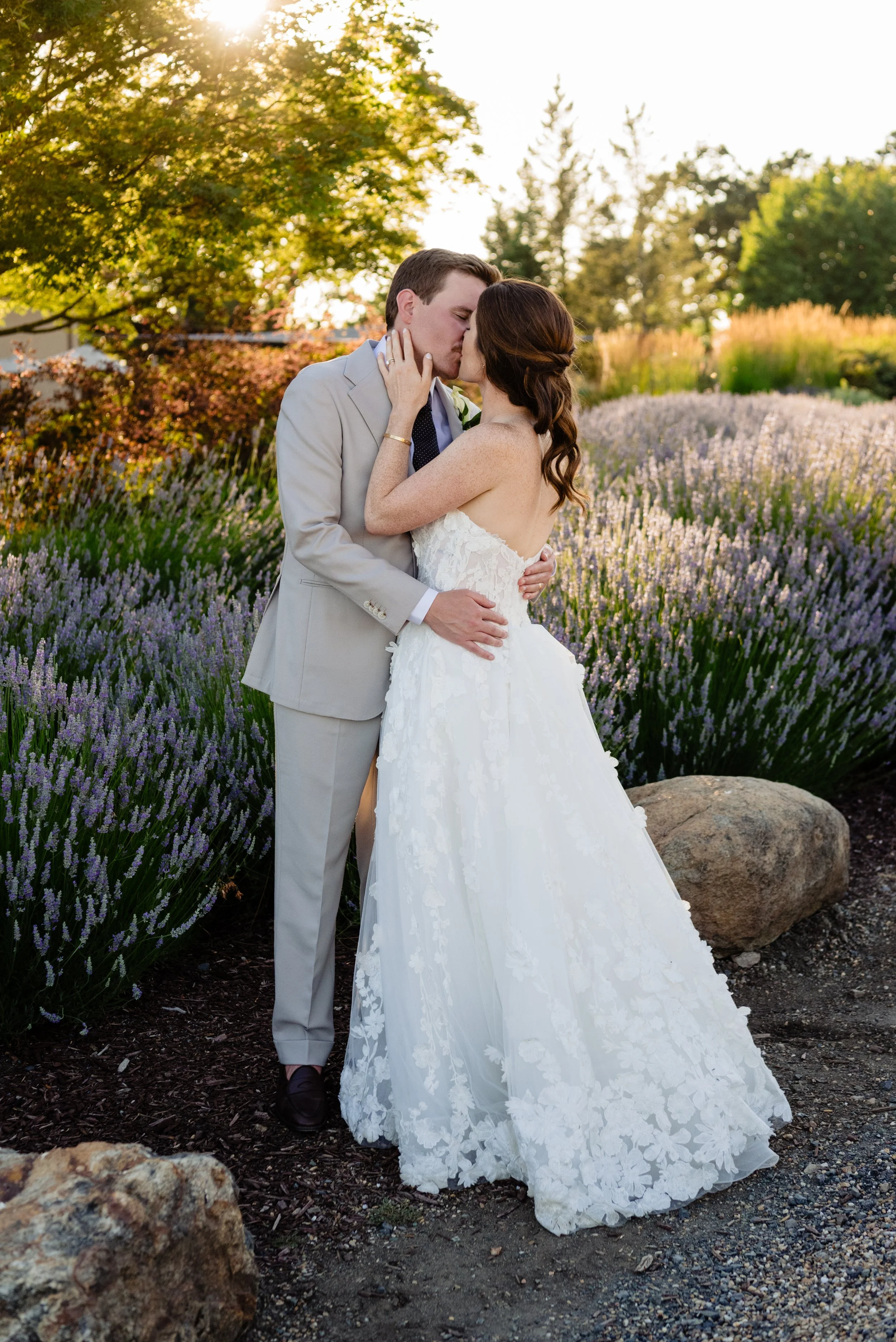
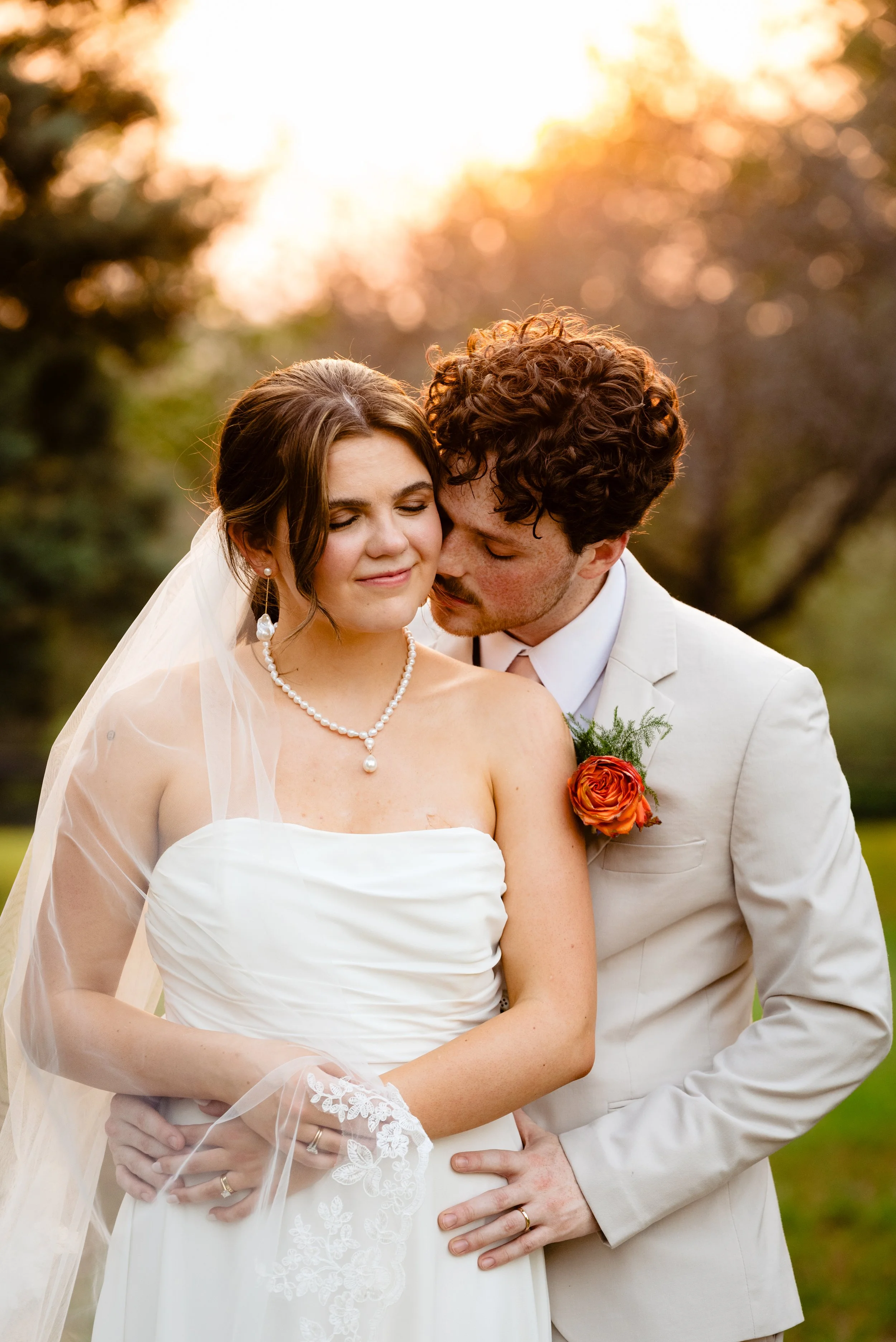
This is where light matters most. Even 10–15 minutes at sunset can elevate your gallery.
Reception & Events
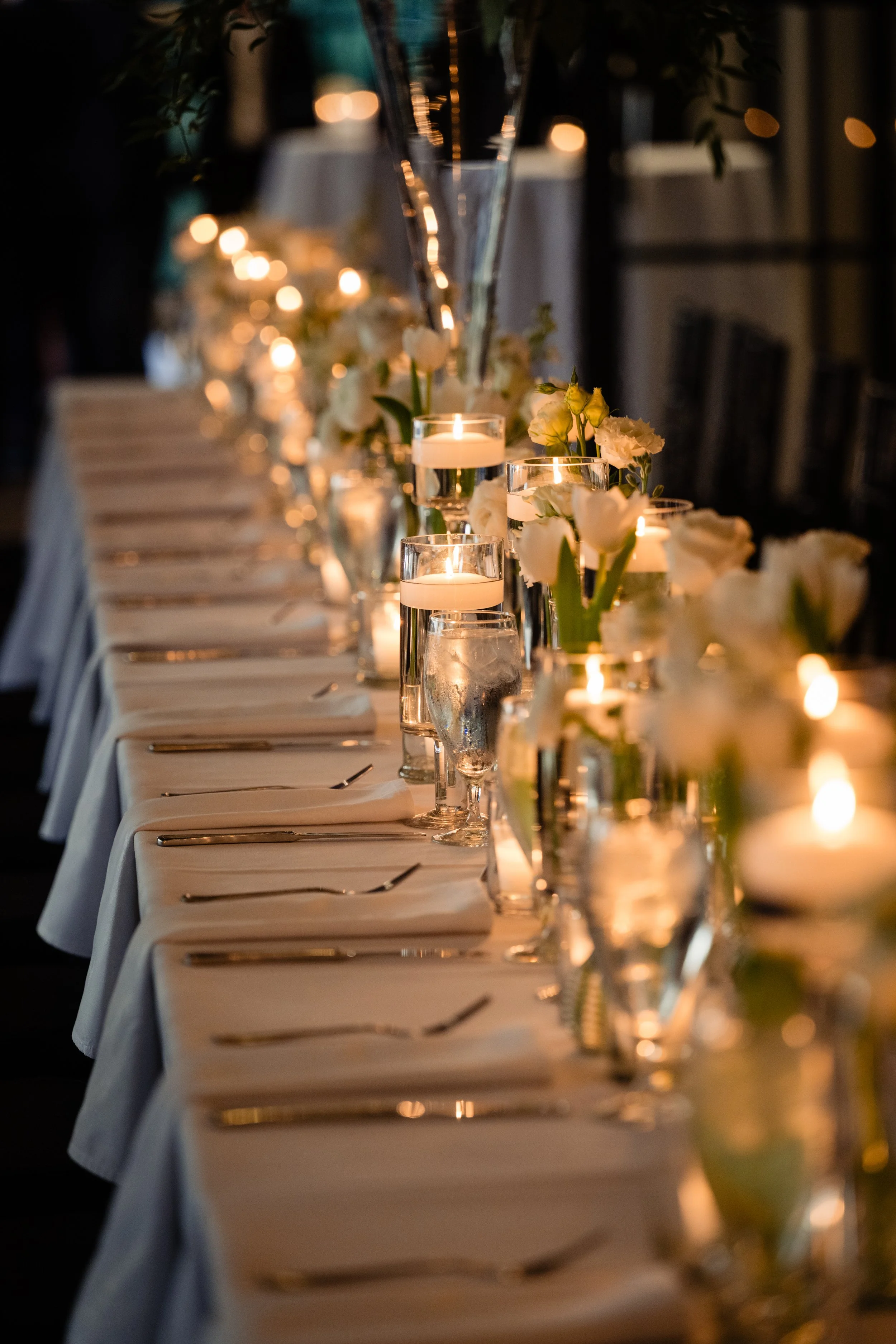
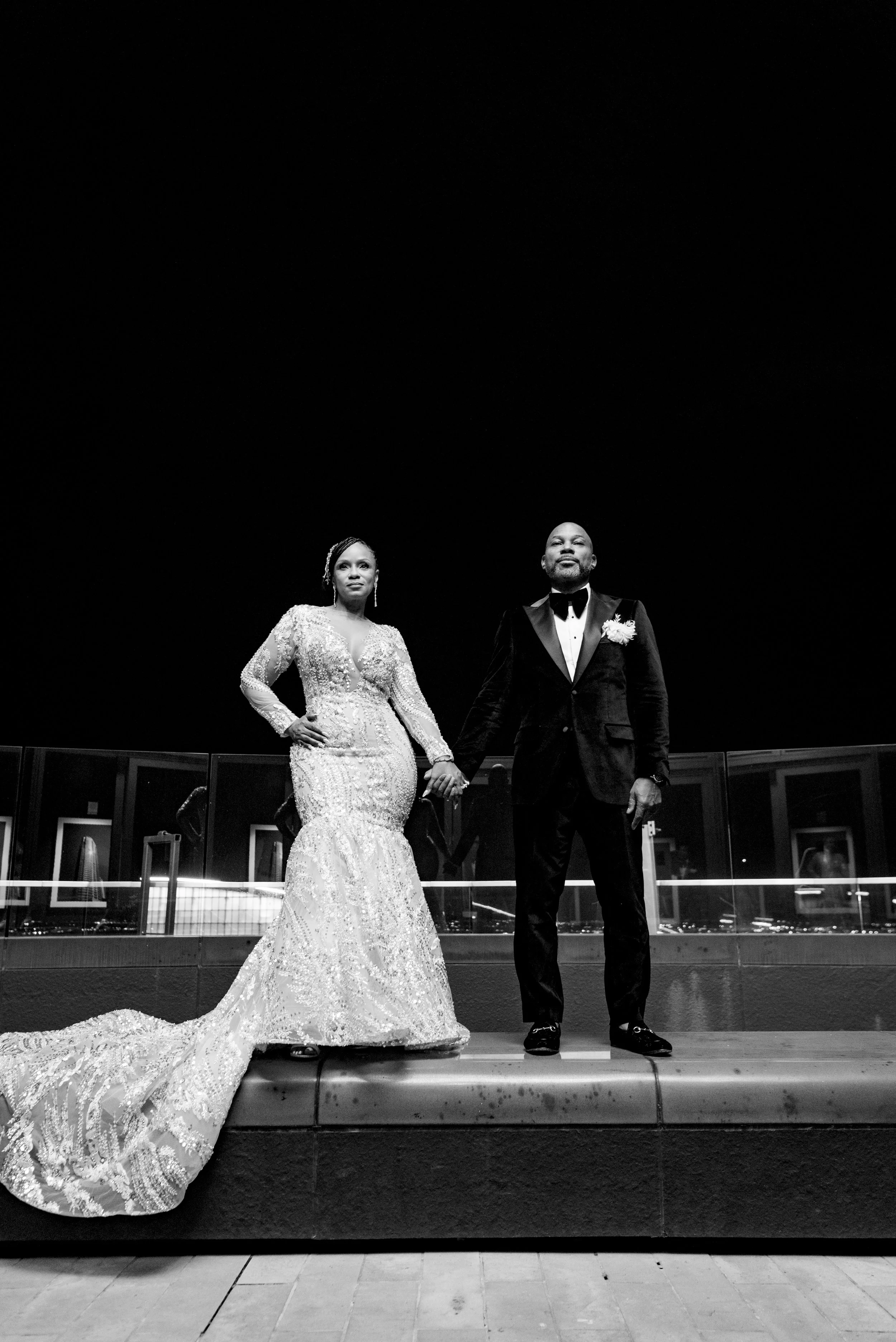
Plan space between speeches, dances, and open dancing to keep the energy flowing.
For photographers, having a flexible version of this framework makes timeline planning smoother for every wedding you shoot.
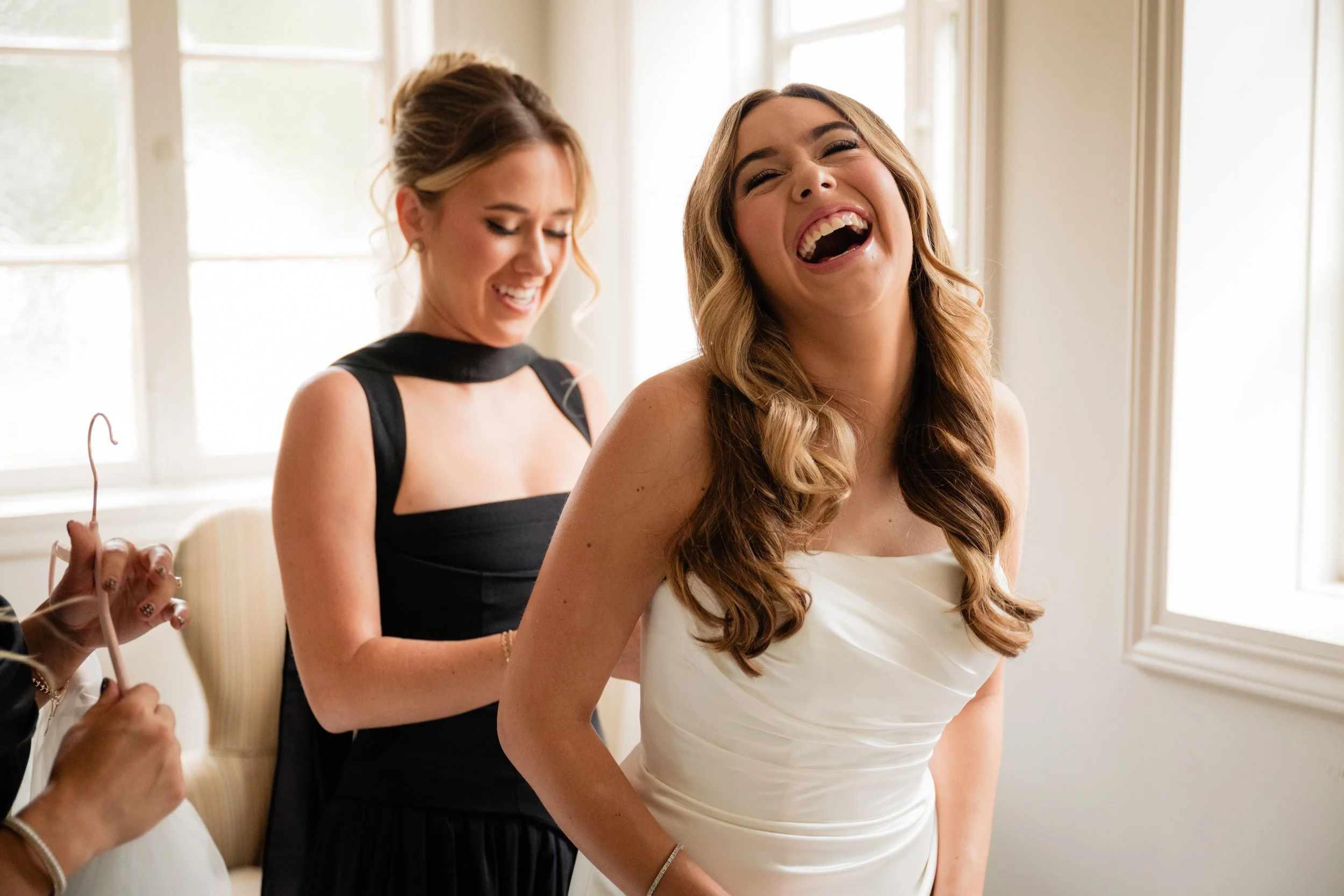
Don’t Forget About Light
Light is one of the most important (and most overlooked) elements of a wedding photography timeline. It affects not only how your photos look, but how the day feels. When light is thoughtfully considered, everything tends to flow more naturally.
Season, location, and sunset time all play a role. A winter wedding requires a very different portrait schedule than a summer one, and indoor versus outdoor spaces can change things even more. This is where a photographer’s experience becomes invaluable. Understanding how light shifts throughout the day helps determine when portraits feel soft and flattering, when spaces feel open and bright, and when it’s better to adjust expectations.
When timelines are built around light instead of trying to force light to fit the schedule, the results are noticeably stronger. Portraits feel more relaxed, transitions feel smoother, and the overall gallery reflects a sense of ease. Trusting your photographer’s guidance here often leads to some of the most beautiful, unexpected moments of the day.
Common Timeline Mistakes to Avoid
A few things I see often:
Scheduling portraits at midday with harsh light
Not allowing enough time for family photos
Trying to attend everything without padding
Forgetting travel time between locations
Awareness alone goes a long way in avoiding these issues!

A Thoughtful Timeline Makes Room for Real Moments
At the end of the day, the goal of a wedding photography timeline isn’t perfection - it’s presence. The best photos don’t come from rushing from one moment to the next or watching the clock all day. They come from weddings that feel calm, intentional, and true to the couple, where there’s space to breathe, connect, and simply be present.
When your timeline is built with care, it allows moments to unfold naturally rather than feeling forced or overly structured. Laughter lasts a little longer, emotions have room to surface, and portraits feel relaxed instead of rushed. Those are the moments that create images you’ll return to again and again - the quiet in-between moments just as much as the big celebrations.
When your wedding photography timeline supports the experience instead of controlling it, the photos naturally follow, and the day feels just as meaningful as it looks.
More Than a Schedule
Your wedding day isn’t meant to be lived by the clock - it’s meant to be experienced. A thoughtful photography timeline helps protect the feeling of the day, giving you room to be present, to connect, and to let moments unfold naturally.
Over the years, I’ve seen how much calmer and more meaningful a wedding day feels when the timeline is built with intention. The photos reflect that ease - not because everything went perfectly, but because there was space for real life to happen.
If you’d like guidance as you plan your wedding photography timeline, I’d love to help. Thoughtful planning is something I truly care about, and I’m always happy to walk through what will work best for your day!
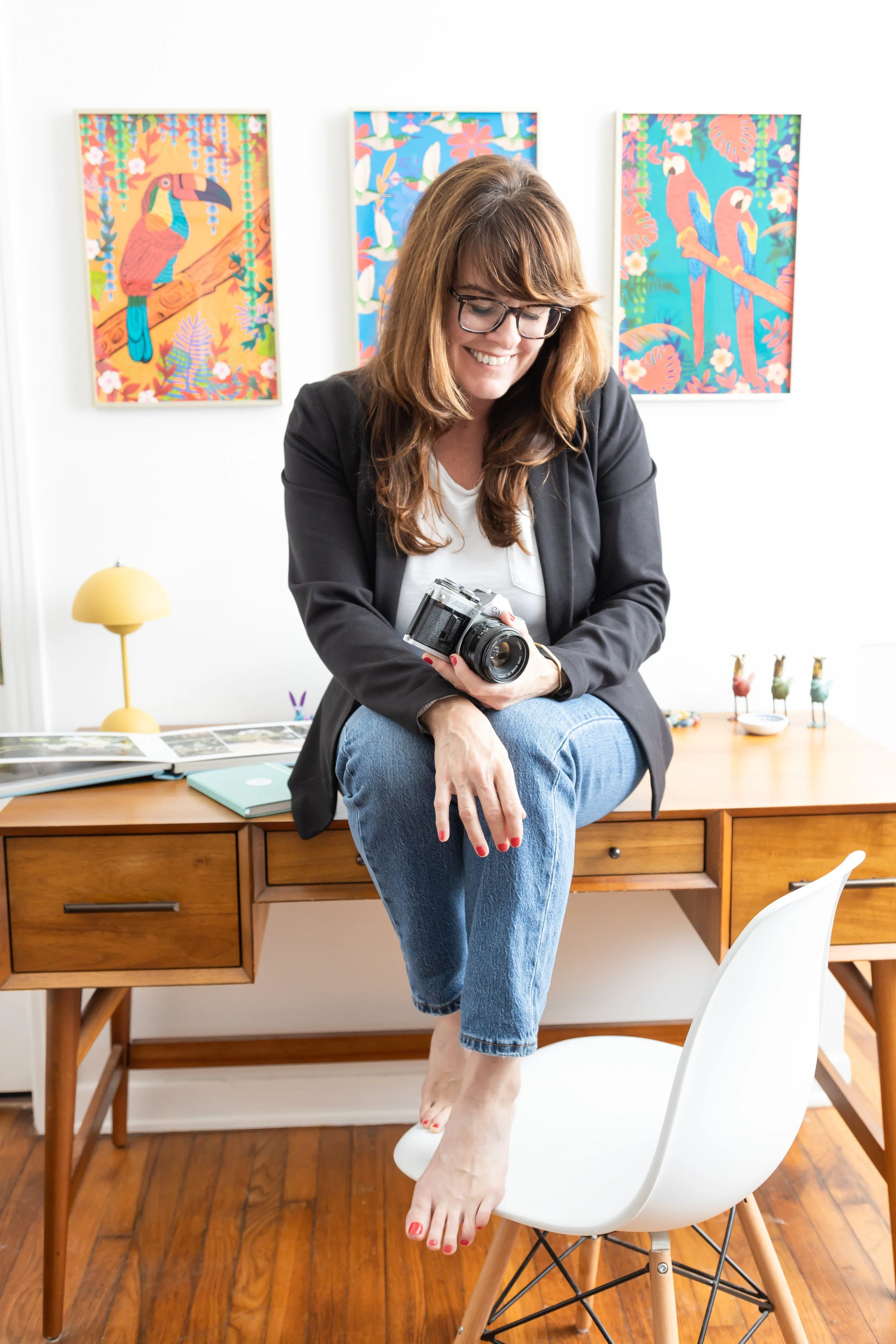
About Lisa
Lisa Hause is an Austin-based wedding, lifestyle, and event photographer with a deep love for storytelling and images that stand the test of time. With over fifteen years behind the camera, Lisa believes in creating photography experiences that feel calm, intentional, and personal - giving couples the space to be present while capturing the genuine moments that matter most.
Her approach centers on listening first, guiding with care, and honoring each couple’s unique story through thoughtful planning (especially when it comes to timelines). Whether she’s photographing a relaxed backyard wedding or a full-day celebration, Lisa’s work celebrates connection, emotion, and the details that make every love story singular.
When she’s not behind the camera, Lisa can often be found exploring Texas with her rescue dogs, finding beauty in everyday moments, and continuing to refine her craft with curiosity and care.